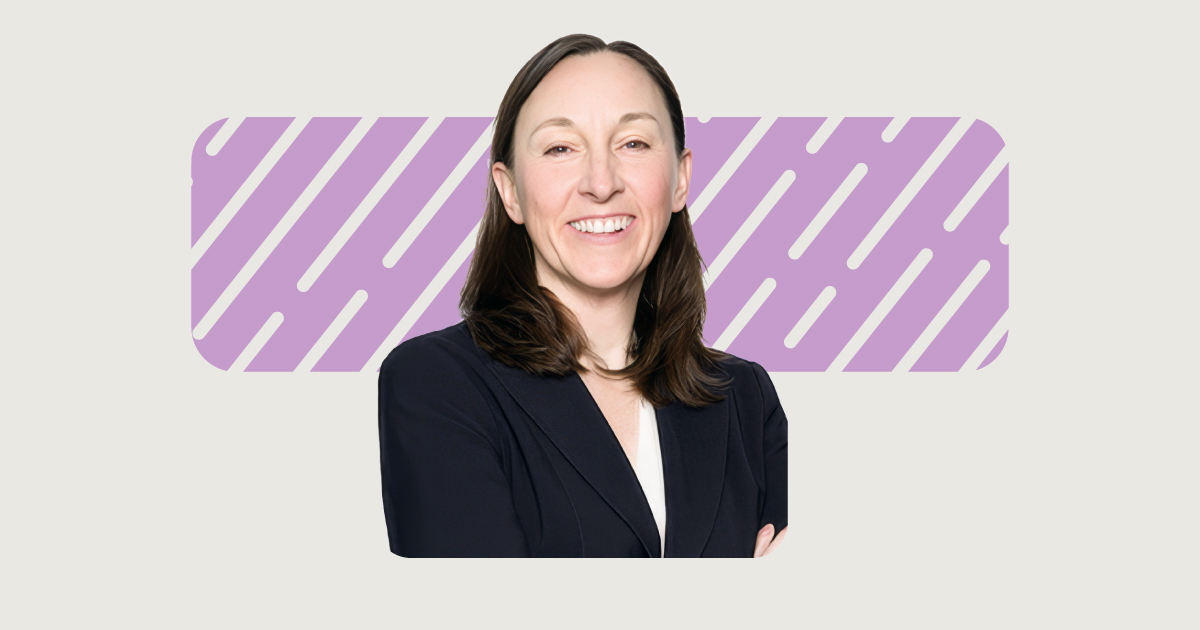
“Sometimes it takes one meeting, and sometimes it takes twenty-five.”
For Simone Page, Iskweu Project Coordinator with the Native Women’s Shelter of Montréal, those early conversations set the tone for everything that follows at the Cabot Square Project.
“I don’t really have expectations for those early interactions. I just go at that person’s pace. And when someone finally says, ‘I recognize you,’ that’s when trust begins.”
Trust-building is at the heart of the Cabot Square Project in downtown Montréal, where staff are one of the few consistent presences in a neighbourhood marked by a deep lack of services, systemic barriers, and chronic underfunding. Originally created as a mediation position to “keep the peace” between people in the square and surrounding businesses, the project has evolved into something far more essential.
“We’re staffed by really, really wonderful people,” she says. “And because of that presence, it’s grown into something where the frontline workers are one of the few constants in those people’s lives.”
A tiny warming or cooling space, open Wednesday to Sunday from noon until 8 p.m., has become a steady anchor.
“There’s always a place for them to step into and to get help when there’s crises happening in their lives.”
That presence matters.
Many clients are Indigenous women and girls, as well as Two-Spirit and queer people, who have experienced years of rejection from institutional systems.
“A lot of times when people come into the office, it’s like they’re expecting to be ignored, judged, or overlooked,” Page explained. “So even when someone just comes to the door and asks for a cigarette, we say, ‘How’s it going? Is there anything you want to talk about?’ And you can see their demeanour relax.”
“That’s a big part of crisis prevention. If they’ve always been overlooked, ignored and underserved, denied services and cut off from some of these things that other members of society take for granted, then those repeated rejections, repeated barriers and repeated discrimination really add up.”
The day-to-day work at Cabot Square is intentionally simple. Staff offer gloves, snacks, cigarettes, a bottle of water — small openings for connection.
“That gives us an opportunity to get to know people,” Page says. From there, the team acts as a referral hub, linking clients to social workers, Indigenous caseworkers, medical supports, dental care, or mental health services. Partnerships with Keep Connection and the Indigenous Health Centre of Tiohtià:ke allow nurses and outreach staff to meet clients right at the Cabot Square office.
“We’re always adding to our list of partner organizations,” she notes. “It really depends on what the person needs.”
Their work is grounded in harm reduction — not as a buzzword, but as a relationship-based framework.
“Harm reduction is actually an overall holistic approach,” Page said. “It’s about meeting people where they’re at and building supports from there, instead of saying, ‘When you’re ready, come over here.’”
“That doesn’t work. We’ve seen it not working for many years.”
A harm-reduction approach requires leaving judgment, assumptions, and personal bias “at the door.” It also requires sitting with people’s pain, trauma, humour, and hopes without imposing solutions.
Much of what makes people vulnerable to exploitation, she explained, is created long before they arrive at Cabot Square: child-welfare removals, lack of housing and medical care in Indigenous communities, the absence of safe supply or addiction services in Québec, and systemic racism that predators know how to exploit.
“If I can’t offer someone housing but the person exploiting them can, that’s a problem,” she says bluntly. “Trafficking doesn’t happen in a vacuum. It happens where systems have already failed people.”
Despite that reality, she sees remarkable resilience every day. “There’s so much and strength in Indigenous women,” she says. “If the institutional barriers were removed, they could reshape the world in a really positive way.”
Page is clear about the structural roots of vulnerability: child-welfare removals, group-home trauma, teenagers locked away for being “at risk,” and eighteen-year-olds released into homelessness without support. “If people understood that dislocation, they’d have a lot more compassion,” she says.
Compassion from the public matters. But on the frontline, Page focuses on something more grounded.
“Maybe that person doesn’t want any help. Maybe they just want to talk. And that can be the harm reduction itself,” she says. “If you start from a place of care, you’re able to really listen.”
Her work is grounded in presence — meeting people without assumptions or imposed solutions.
“It’s leaving all that at the door and just listening, person to person,” she says. “Finding out what they want, and how to meet them where they’re at.”
The Cabot Square Project, operated by the Native Women’s Shelter of Montreal, offers harm-reduction outreach and culturally informed support to Indigenous women, Two-Spirit, and gender-diverse people navigating homelessness, violence, and systemic barriers in downtown Montréal.
The Shelter also leads the Iskweu Project, which aims to ensure rapid reporting, culturally safe responses, and community-driven support when Indigenous women, girls, trans, and Two-Spirit people go missing. Together, these programs reflect NWSM’s broader commitment to safety, dignity, and self-determination for Indigenous peoples in Tiohtià:ke.
To learn more about the Native Women’s Shelter of Montreal and its projects, visit their website.