


What is human trafficking
Human trafficking is the exploitation of a person for the profit and material gain of others. In Canada, the two most common forms of human trafficking are sex trafficking and labour trafficking.

“Human trafficking happens when someone uses you to make money or gain something for themselves, and they do it by taking away your freedom, safety, or control.”
Gracia Younes
(survivor & anti-trafficking consultant)
Traffickers often use trust or authority to manipulate the person they are exploiting into providing sexual services or performing work they wouldn’t normally choose to do. Control can come in many forms, including guilt, shame, debts, threats or blackmail. A trafficker may also act like a caring partner, friend or protector.
In some cases, the person being trafficked may not realize that what’s happening to them is illegal. They may think they consented to it, but under Canadian law, no one can consent to their own exploitation.
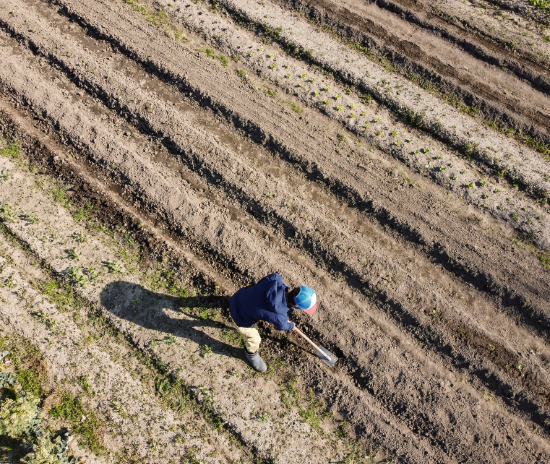
Sex, Labour and Other Forms of Trafficking
Human trafficking can take many forms. It might involve someone being pressured or forced to sell sex, with the trafficker taking the money. In the case of labour trafficking, people might be forced to work long hours without pay and controlled through threats, violence or lies. Some traffickers force people to steal, beg or get married against their will.


